
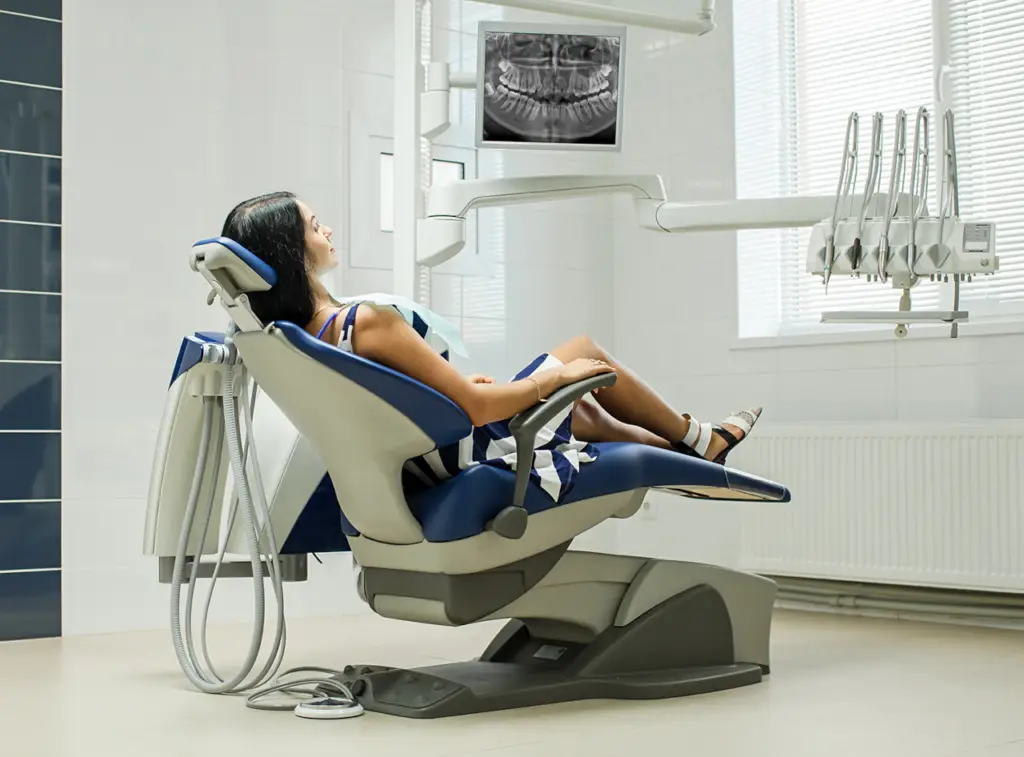
What happens when several dental problems begin affecting the same mouth at the same time? One damaged tooth may be repaired with a filling or crown, but multiple worn, broken, missing, or failing teeth often require a more coordinated approach. In these situations, treating each problem separately may not address how the entire bite functions together.
Full-mouth rehabilitation in Westbury is designed for patients who need comprehensive dental restoration rather than treatment for one isolated tooth. At Smile On Westbury, this type of care considers the teeth, gums, bite, jaw function, existing dental work, and overall treatment goals before creating a personalized plan.
Full-mouth rehabilitation does not mean every tooth automatically needs treatment. Instead, the goal is to identify which areas require care, determine the proper sequence of procedures, and create a healthier and more functional dental foundation.
What Is Full-Mouth Rehabilitation?
Full-mouth rehabilitation is a personalized combination of dental procedures used to restore multiple teeth and improve overall oral function. The exact treatment plan can vary significantly from one patient to another.
Some patients need several crowns because their teeth have become worn or fractured. Others may have missing teeth that require dental implants, bridges, or dentures. Meanwhile, gum disease, bite problems, or older dental work may also need attention.
The important difference between full-mouth rehabilitation and treating individual dental problems is coordination. The dentist looks at how each proposed restoration will affect the rest of the mouth.
For example, replacing a missing back tooth may change how chewing pressure is distributed. Restoring worn front teeth may affect how the lower jaw moves. Therefore, the bite must be considered alongside appearance and tooth strength.
A comprehensive plan helps ensure that each stage of treatment supports the next one.
Who May Need Full-Mouth Rehabilitation?
Full-mouth rehabilitation may be appropriate for patients with several significant dental concerns rather than one localized problem.
One common reason is widespread tooth decay. When several teeth contain large cavities or failing fillings, multiple restorations may be necessary to rebuild strength and function.
Severe tooth wear is another reason patients seek full-mouth rehabilitation. Grinding, clenching, acidic foods and drinks, or long-term changes in the bite can gradually shorten and weaken teeth.
Patients who have lost several teeth may also benefit from comprehensive planning. Missing teeth can change how the remaining teeth meet and may place additional pressure on certain areas.
Other possible reasons for full-mouth rehabilitation include fractured teeth, failing crowns or bridges, gum disease, dental injuries, bite problems, and combinations of cosmetic and functional concerns.
However, needing several dental procedures does not automatically mean a patient requires full-mouth rehabilitation. A complete examination is necessary to determine whether coordinated treatment would provide a meaningful advantage.
Benefits of Full-Mouth Rehabilitation
- Coordinated dental care: Multiple concerns can be evaluated and treated as part of one organized plan.
- Improved chewing ability: Restoring damaged and missing teeth can help create stronger, more balanced chewing surfaces.
- Protection for weakened teeth: Crowns and other restorations may help protect teeth that have lost significant structure.
- Replacement of missing teeth: Dental implants, bridges, or dentures can restore important areas of the bite.
- More balanced bite pressure: Treatment can help distribute forces more evenly across the teeth.
- Improved appearance: Tooth shape, shade, size, and alignment can be considered while restoring function.
- Better treatment organization: A comprehensive plan establishes priorities and helps patients understand which procedures should happen first.
- Long-term maintenance planning: Restored teeth, gums, and prosthetics can be monitored through regular dental care.
How Full-Mouth Rehabilitation Begins
The process starts with a thorough consultation and dental examination. The dentist needs to understand both what the patient is experiencing and what is happening clinically.
You may be asked about pain, sensitivity, chewing difficulties, previous dental treatment, missing teeth, grinding habits, medical conditions, medications, and your goals for treatment.
The dentist will examine the teeth for decay, fractures, wear, mobility, large fillings, damaged restorations, and other concerns.
Gum health is also an important part of the evaluation. Healthy supporting tissues create a better foundation for crowns, bridges, implants, and other restorative dentistry.
The bite is carefully assessed as well. Uneven contact between the upper and lower teeth can place excessive pressure on certain areas and may contribute to continued wear or fracture.
Dental X-rays, photographs, digital scans, and other records may be recommended. These tools help the dentist evaluate areas that cannot be seen during a standard visual examination.
Why the Bite Matters During Full-Mouth Rehabilitation
Teeth do not function independently. Every time you chew or close your mouth, forces are distributed across multiple teeth, the jaw muscles, and the jaw joints.
If several back teeth are missing, the remaining teeth may receive more pressure. If teeth are severely worn, the relationship between the upper and lower jaws may also change.
For this reason, restoring appearance without considering function may lead to problems. A crown can look natural but still feel uncomfortable if it receives too much bite pressure.
Likewise, replacing several missing teeth changes how force is distributed. The new restorations need to work together with the natural teeth rather than interfere with them.
Careful bite planning is one of the reasons a comprehensive approach can be valuable for patients with complex dental needs.
Dental Crowns in Full-Mouth Rehabilitation
Dental crowns are frequently included when individual teeth have lost substantial strength or structure.
A crown covers the visible portion of the tooth above the gumline. It may be recommended for a tooth with a large filling, major fracture, extensive decay, or significant wear.
Crowns can also restore the shape and height of worn teeth. This may be especially important when grinding has changed how the upper and lower teeth meet.
However, crowns should not be placed simply because a patient is receiving full-mouth rehabilitation. Teeth that remain healthy and structurally sound may not need full coverage.
The treatment plan should preserve natural tooth structure whenever possible while providing adequate support where it is genuinely needed.
Dental Implants for Missing Teeth
Dental implants may be included in full-mouth rehabilitation when one or more teeth are missing.
An implant is placed into the jawbone to serve as a foundation for a replacement tooth or larger prosthetic restoration. After appropriate healing, the implant can support a crown, bridge, or selected denture design.
One advantage of implant treatment is that missing teeth can sometimes be replaced without placing crowns on healthy neighboring teeth.
Implants may also help distribute chewing pressure and provide additional stability for larger restorations.
However, not every patient is automatically a candidate. Bone volume, gum health, medical history, smoking habits, oral hygiene, and the location of important anatomical structures can all influence treatment planning.
Dental Bridges as Part of Comprehensive Care
A dental bridge is another option for replacing missing teeth. A traditional bridge usually uses neighboring teeth as supports for a replacement tooth positioned between them.
Bridges are fixed in place, which means patients do not remove them for daily activities.
They may be appropriate when neighboring teeth already need crowns or when implant treatment is not preferred or recommended.
However, supporting teeth must be healthy enough to carry the additional load. The dentist also needs to consider how the bridge will fit into the overall bite.
Proper cleaning underneath and around a bridge is essential for maintaining the supporting teeth and gums.
Dentures in Full-Mouth Rehabilitation
Patients who have lost many or all of their teeth may need full or partial dentures as part of their rehabilitation plan.
Modern dentures are customized using detailed records of the mouth and bite. Tooth size, shape, shade, and position can be selected to create a natural appearance while supporting chewing and speech.
Some dentures rely primarily on the gums and remaining ridge for support. Others may connect to dental implants for additional stability.
Partial dentures can replace several missing teeth while working around natural teeth that remain.
The best option depends on the number and location of missing teeth, oral health, budget, personal preferences, and whether implant treatment is appropriate.
Can Cosmetic Dentistry Be Part of Full-Mouth Rehabilitation?
Yes. Although full-mouth rehabilitation primarily focuses on health and function, appearance can also be considered.
When several visible teeth need restoration, the dentist may plan tooth shape, shade, proportions, and symmetry as part of the overall process.
For example, crowns may restore both worn tooth structure and natural-looking proportions. Dental implants can replace missing teeth while also filling visible spaces in the smile.
In certain cases, cosmetic treatments such as veneers or bonding may be used on teeth that do not require full restorative coverage.
However, the goal is not to create an artificial or overly uniform appearance. Treatment can be planned to complement the patient’s facial features and natural dental characteristics.
Why Gum Health Comes First
Healthy gums are an important foundation for restorative dentistry.
If active gum disease is present, inflammation and bone loss may affect the stability of natural teeth and dental implants. Therefore, periodontal treatment may need to occur before major restorative procedures begin.
Signs of gum disease can include bleeding, swelling, recession, persistent bad breath, loose teeth, and changes in the spaces between teeth.
Professional cleaning, deeper periodontal treatment, or specialist care may be recommended depending on the severity of the condition.
Once gum health is stabilized, restorative treatment can proceed on a healthier foundation.
How Long Does Full-Mouth Rehabilitation Take?
The timeline varies because each treatment plan is different.
A patient who needs several crowns may complete treatment relatively quickly compared with someone who requires extractions, bone grafting, implants, periodontal treatment, and final restorations.
Some stages may also require healing periods. Dental implants, for example, often need time to integrate with the surrounding bone before receiving their final restoration.
Treatment may be divided into phases so urgent dental problems are addressed first. Afterward, the dentist can move through the remaining procedures in a logical sequence.
During the consultation, patients should receive an explanation of the proposed timeline, treatment order, and expected number of appointments.
Will Full-Mouth Rehabilitation Hurt?
Comfort is an important part of comprehensive treatment. Local anesthetic is commonly used for procedures that could otherwise cause discomfort.
The exact experience depends on which treatments are included. A crown procedure feels different from implant placement, periodontal therapy, or a denture fitting.
Patients who experience dental anxiety should discuss their concerns before treatment begins. Depending on the situation, additional comfort options may be available.
After certain procedures, temporary tenderness or sensitivity may occur. The dental team will provide instructions for managing the healing period and explain which symptoms should prompt a call to the office.
Is Full-Mouth Rehabilitation the Same as a Smile Makeover?
No. The two treatment concepts can overlap, but they are not identical.
A smile makeover is primarily focused on improving the visible appearance of the smile. It may include whitening, bonding, veneers, clear aligners, or other cosmetic procedures.
Full-mouth rehabilitation is typically recommended when there are significant functional or structural problems affecting multiple teeth.
For example, a patient with healthy teeth who wants them brighter and more even may pursue cosmetic dentistry. A patient with extensive tooth wear, several missing teeth, broken restorations, and bite problems may require full-mouth rehabilitation.
Appearance can still be an important part of comprehensive treatment, but oral health and function guide the plan.
How to Care for Your Teeth After Full-Mouth Rehabilitation
Restored teeth require ongoing maintenance just like natural teeth.
Brush twice each day with fluoride toothpaste and clean between the teeth daily using floss, interdental brushes, or another method recommended by the dental team.
Patients with dental implants, bridges, or dentures may need specialized cleaning tools to reach areas around and underneath restorations.
Regular dental examinations allow the dentist to monitor crowns, fillings, implants, bridges, gums, and remaining natural teeth.
If you grind or clench your teeth, a custom night guard may be recommended. Protecting restorations from excessive pressure can be an important part of long-term maintenance.
Avoid using teeth to open packages, bite hard objects, or perform tasks they were not designed to handle.
Is Full-Mouth Rehabilitation Worth Considering?
For patients with several dental problems, comprehensive treatment can provide an organized path toward restoring oral health and function.
Instead of repeatedly treating problems as they arise, the dentist can evaluate how the entire mouth works together and create a plan that addresses immediate concerns while considering long-term needs.
However, full-mouth rehabilitation is a significant process. Patients should understand their treatment options, alternatives, timeline, costs, and expected maintenance before proceeding.
A thorough consultation provides the opportunity to ask questions and decide whether comprehensive treatment aligns with your goals.
Rebuild Your Smile With a Personalized Plan
Multiple dental concerns do not always have to be addressed one at a time without an overall strategy. Full-mouth rehabilitation can bring several treatments together into a coordinated plan designed to improve comfort, chewing ability, dental stability, and appearance.
Whether you are dealing with worn teeth, missing teeth, failing dental work, fractures, or a combination of concerns, the first step is understanding the condition of your mouth and the options available.
To learn whether full-mouth rehabilitation may be appropriate for you, contact Smile On Westbury at (516) 272-4950 to schedule a consultation at 265 Post Ave #380, Westbury, NY 11590.