
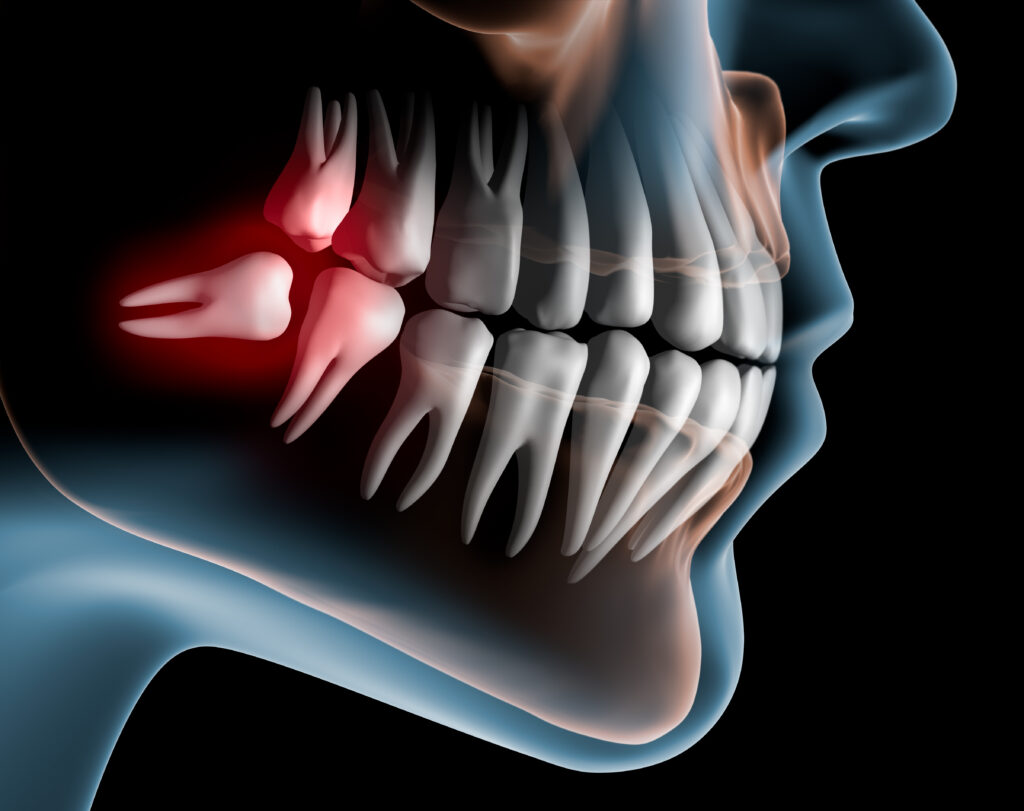
Wisdom tooth pain can start as mild pressure and quickly become difficult to ignore. One day, the back of your mouth feels tender. Then chewing becomes uncomfortable, the gum feels swollen, or pain begins to radiate toward the jaw or ear. When that happens, it is time to find out whether the wisdom tooth needs monitoring, treatment, or removal.
At Smile On Westbury, oral surgery in Westbury, NY is approached with clarity, comfort, and careful planning. Not every wisdom tooth needs to be removed right away. However, when a wisdom tooth is impacted, infected, or damaging nearby teeth, oral surgery may be the best way to prevent repeated pain and future complications.
Why Wisdom Teeth Often Cause Problems
Wisdom teeth are the third molars at the very back of the mouth. They usually develop later than the other teeth, often when there is limited space left in the jaw. Because of that, they may come in at an angle, partially emerge through the gums, or remain trapped under the gum and bone.
When a wisdom tooth is partially erupted, a small flap of gum tissue can collect food and bacteria. As a result, the area may become inflamed or infected. This can cause tenderness, swelling, bad taste, or difficulty cleaning the tooth properly. In addition, an angled wisdom tooth can push against the molar in front of it, creating pressure or increasing the risk of decay between the teeth.
Wisdom tooth pain may also come and go. However, recurring discomfort usually means the underlying issue has not been resolved. Therefore, a dental exam and X-rays are important for seeing the tooth position clearly.
Signs You Should Schedule an Evaluation
You should schedule an evaluation if you have pain in the back of the mouth, swelling near the jaw, gums that feel tender around a back molar, difficulty opening your mouth, or a bad taste that does not go away. In addition, pain that worsens when chewing may signal inflammation, infection, or pressure from an impacted tooth.
Some symptoms require faster attention. If swelling spreads, pain becomes severe, or you develop signs of infection, contact the dental office promptly. Emergency dentistry may be needed to relieve pain, control infection, and determine whether oral surgery should follow.
It is also possible to have wisdom tooth problems without obvious pain. For example, a wisdom tooth may trap bacteria against the second molar or contribute to gum pockets in the back of the mouth. That is why routine exams are helpful, especially for teens and young adults.
When Oral Surgery May Be Recommended
Oral surgery may be recommended when a wisdom tooth is impacted, repeatedly infected, difficult to clean, causing crowding pressure, damaging a nearby tooth, or contributing to cyst-like changes in the jaw. The recommendation depends on the tooth’s position, root development, symptoms, and overall oral health.
During a wisdom tooth consultation, the dental team reviews X-rays and explains what is happening in plain language. If removal is recommended, you will learn what to expect before, during, and after the procedure. This helps reduce uncertainty and makes the process feel more manageable.
At Smile On Westbury, oral surgery is planned with patient comfort in mind. The goal is to remove the problem tooth as gently and efficiently as possible while protecting nearby structures. In addition, aftercare instructions are provided so healing can stay on track.
Benefits of Timely Wisdom Tooth Treatment
Trusted dental guidance often encourages early evaluation of wisdom teeth because problems can be easier to manage before infection or damage becomes severe. Timely treatment may help prevent repeated swelling, protect the neighboring molar, and reduce the risk of cavities in hard-to-clean areas.
Another benefit is comfort. When wisdom tooth pain is caused by pressure or recurring infection, removing the source of the problem can provide lasting relief. Furthermore, addressing wisdom teeth at the right time may reduce the chance of urgent dental visits later.
Timely care can also support long-term function. The second molars are important chewing teeth. Therefore, protecting them from wisdom tooth pressure, decay, or gum damage is a major part of maintaining a healthy bite.
What to Expect After Wisdom Tooth Removal
Recovery varies depending on how many teeth are removed and how complex the case is. However, most patients receive instructions for managing swelling, keeping the area clean, eating soft foods, and avoiding activities that could disturb healing. It is important to follow these instructions closely.
During the first day, rest is usually recommended. Cold compresses may help with swelling, and soft foods can make eating easier. In addition, patients are often advised to avoid drinking through straws for a short period because suction can interfere with the healing clot.
As healing continues, discomfort should gradually improve. If pain worsens after initial improvement, or if you notice unusual swelling, bad taste, or fever, you should contact the office. Prompt guidance can help address concerns before they become more uncomfortable.
How Wisdom Tooth Care Connects to Your Overall Smile
Wisdom tooth treatment is not separate from the rest of your oral health. In fact, it often supports preventive and general dentistry goals by protecting the molars, gums, and bite. When wisdom teeth are monitored early, patients can make informed choices instead of waiting for pain to decide for them.
If your wisdom teeth are healthy, fully erupted, easy to clean, and not affecting nearby teeth, they may simply be monitored. However, if they are causing repeated problems, oral surgery may offer a more predictable solution.
Relief Starts With Answers
Wisdom tooth pain should not be ignored, especially when it returns or worsens. A clear evaluation can show whether the tooth needs treatment, removal, or continued monitoring.
For wisdom tooth pain or oral surgery in Westbury, NY, contact Smile On Westbury at 516-272-4950 to Call Us Today and book an appointment.